
Experience the best of Manali, such as the Rohtang Pass, Hidimba Temple and Old Manali. Identify the ideal time to visit & how to get there.
Manali is a place where nature and culture are in perfect harmony and lies in the heart of the Himalayas. Known for its snow-capped mountains, green valleys, ancient temples, and exciting adventure activities, this popular hill station in Himachal Pradesh, India, is a place to experience the natural beauty and cultural heritage. Manali has something special to offer for all the spiritual seekers, adrenaline rushers or for those looking for a peaceful vacation.
So here is a detailed list of the most iconic places to see in Manali, their distance from town centre, how to reach them and best time to visit.
1. Hidimba Devi Temple — A Mythical Marvel in the Forest
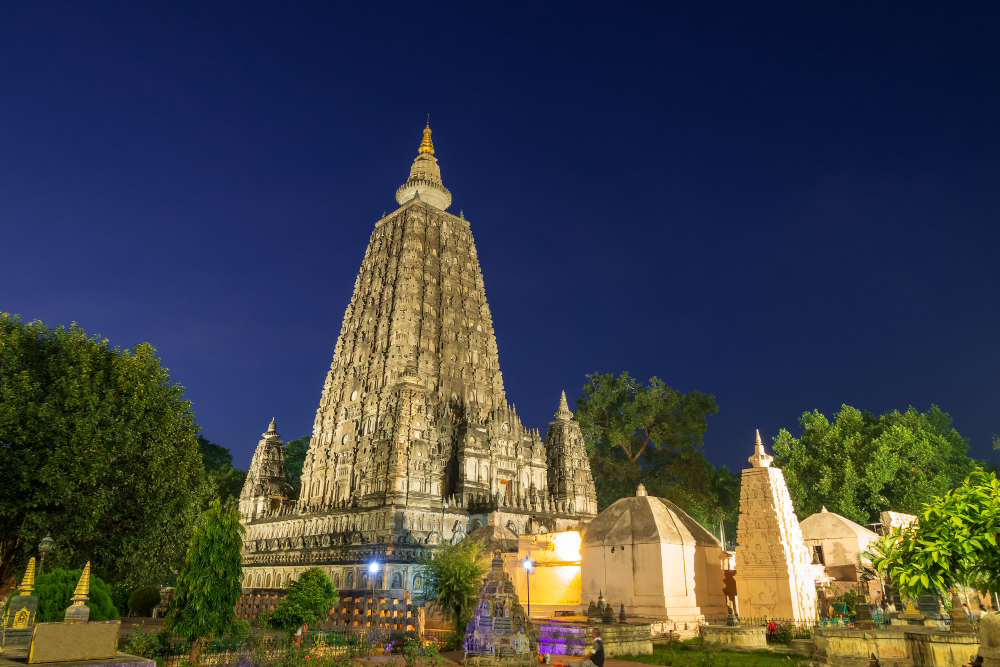
The Hidimba Devi Temple is located in a dense forest of tall cedar trees and is an architectural wonder as well as a place of spiritual significance. This 16th century shrine is unique compared to other Hindu temples because of the pagoda shaped architecture with elaborate woodwork incorporating images from Hindu mythology. The temple is dedicated to Goddess Hidimba, wife of Bhima from Mahabharata, and is filled with a sense of quiet mysticism. Loved by both history buffs and spiritualists, the quiet rustle of deodar trees and the faintest of devotional chants make this a truly peaceful experience.
Highlights: Pagoda-style architecture, lush cedar forest setting, detailed wood carvings
Best Time to Visit: Open year-round; March–June and September–December are ideal. Visit early in the morning for a peaceful atmosphere.
How to Reach: Located just 2 km from Manali Mall Road; easily accessible by rickshaw, cab, or a scenic walk through Old Manali.
2. Solang Valley — Manali’s Adventure Capital
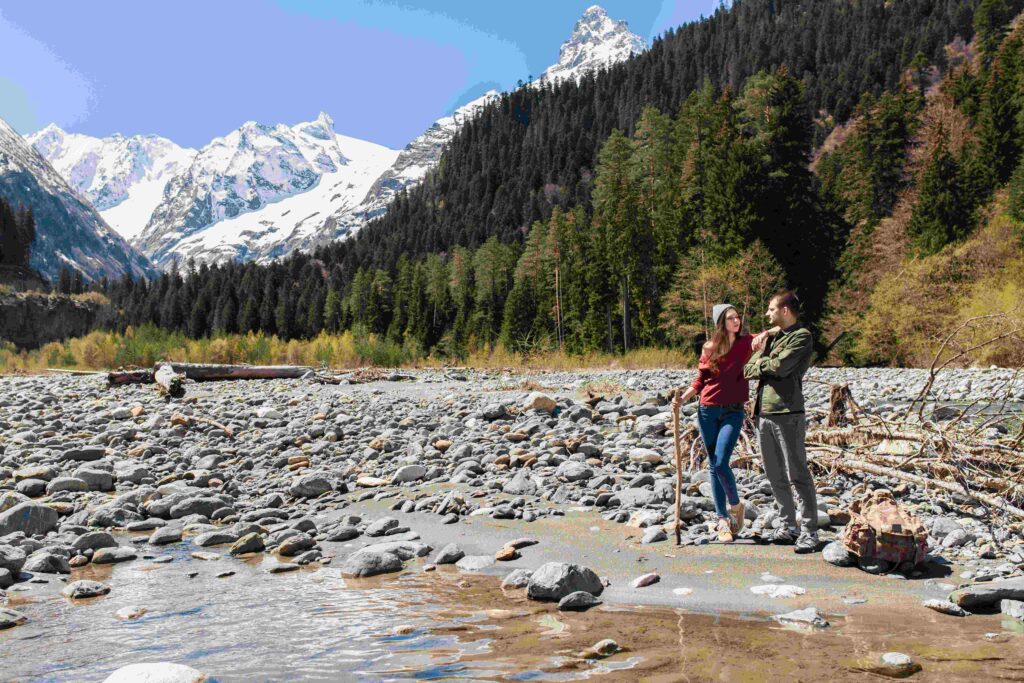
Manali is the heart of the Himalayas and Solang Valley is its pulse. This beautiful valley is only 14 km from the town centre, and becomes an adventurous playground all year round. During the winter season, there is a thick layer of snow that attracts skiers and snowboarders to the slopes. In the summer, when the snow melts, there is paragliding, zorbing, and quad-biking. From flying over the valley on a parachute or enjoying stunning panoramic views of the Pir Panjal range, Solang Valley offers a unique experience.
Highlights: Paragliding, skiing, zorbing, quad biking; panoramic Pir Panjal views
Best Time to Visit: December–February for snow sports; April–June for summer adventure activities
How to Reach: 14 km from Manali; accessible by cab or local bus.
3. Rohtang Pass — Gateway to the Himalayas
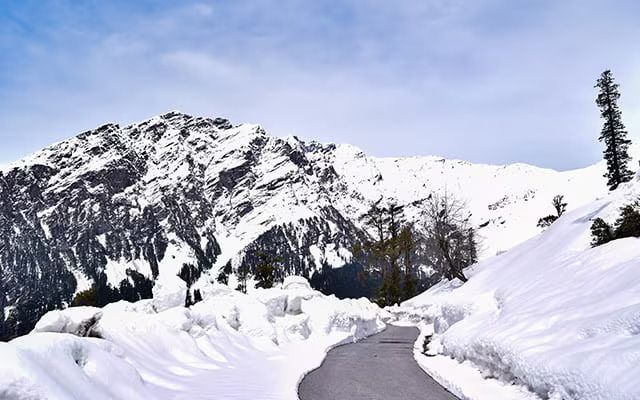
Rohtang Pass, standing at an altitude of 3,978 metres above sea level, is more than just a road through the mountains, it’s a trip to a place that will remain in your recollection forever. The higher you go, the lower the air pressure becomes, the scenery changes dramatically, and the raw magnificence of the Himalayas spreads out before you. The pass is usually covered in snow for most of the year and attracts people to see the magic of snow. It is also the link with the remote areas of Lahaul and Spiti valley. Access is restricted as it is a sensitive ecosystem and a visit here is even more special.
Highlights: Sweeping Himalayan panoramas, snow activities (skiing, sledging, snowboarding), entry point to Lahaul and Spiti Valley
Best Time to Visit: May–October (closed in winter due to heavy snowfall). Early morning visits offer clearer skies and fewer crowds.
How to Reach: 51 km from Manali; accessible by cab or bike. A permit is required and can be obtained online.
4. Vashisht Village & Hot Springs — A Tranquil Historical Escape
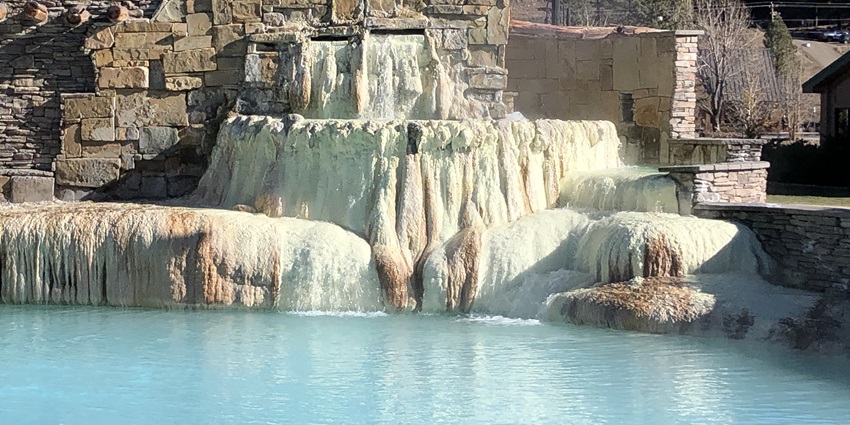
Hidden within Manali’s rugged landscape, Vashisht Village is a peaceful haven steeped in history and natural healing. The village is known for its hot springs, which are rich in minerals and are said to have therapeutic effects that help to alleviate stress and improve the overall well-being of its residents.The hot springs in the village are also known to have therapeutic properties that help to ease the tension and stress of the residents, which is a big relief from the cold mountain air. The nearby Vashisht Temple is dedicated to one of the seven great sages from the Hindu mythology. The temple is a beautiful place to visit, with its intricate carvings and delicate woodwork.
Highlights: Natural therapeutic hot springs, ancient Vashisht Temple, traditional Himachali homes and charming cafés
Best Time to Visit: March–June and September–November for pleasant weather
How to Reach: Just 3 km from Manali; accessible by cab, auto-rickshaw, or on foot.
5. Old Manali — Rustic Charm and Bohemian Soul
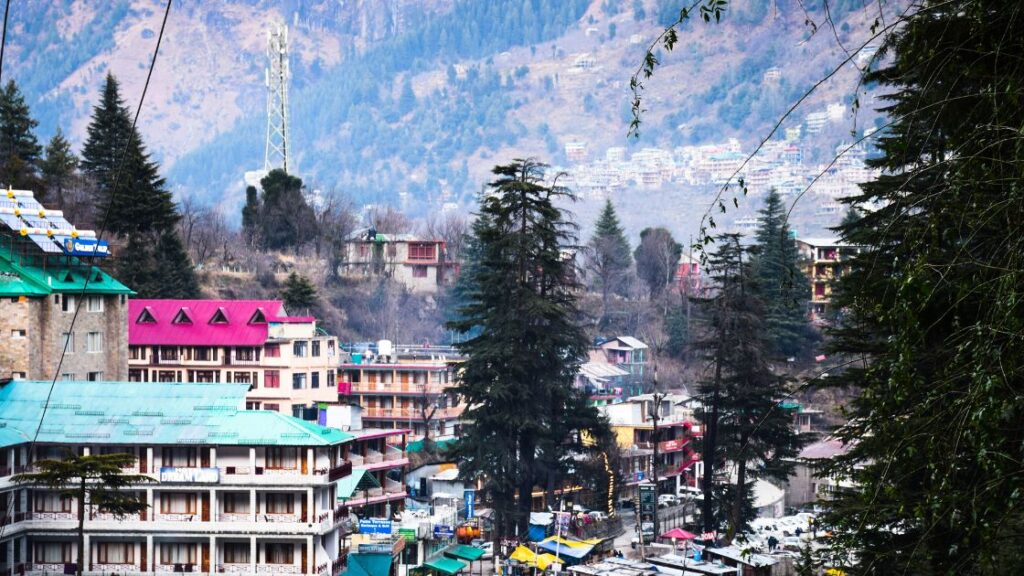
Old Manali is a relief for those looking for an escape from city life. Tight cobbled roads connect to charming cafes, quirky art shops and quiet apple orchards. Old Manali is still bohemian and attracts backpackers and the creative fraternity from all over the world, in contrast to the more commercialized areas of the town. From relaxing at a riverside café with a cup of honey-ginger tea to chatting with fellow travellers, enjoying the mountain views or simply relaxing, this neighbourhood exudes a charm that’s irresistible and casual.
Highlights: Cosy cafés, art galleries, apple orchards, live music scene, vibrant biker culture
Best Time to Visit: April–October, when the weather is at its most inviting
How to Reach: 2 km from Manali Mall Road; accessible by cab or on foot.
6. Manu Temple — A Spiritual Retreat Above the Valley
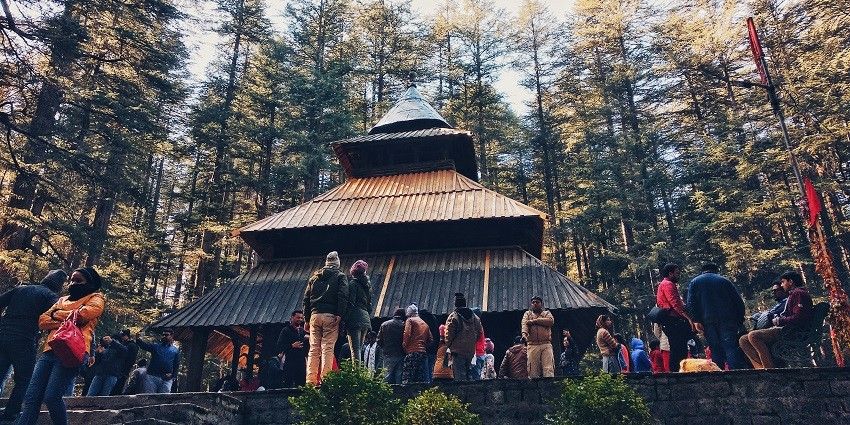
Perched on a hilltop near Old Manali, the Manu Temple is dedicated to Sage Manu — the progenitor of mankind in Hindu mythology. This temple is not like the other, usually visited, shrines; it’s raw and authentic to it. The ascent to the temple is in itself worth the trip, as it lets you enjoy a panoramic view of the valley and the Beas River below. Inside, it is a place of tranquility and introspection, making it an ideal place for solitude.
Highlights: The only temple in India dedicated to Sage Manu, traditional Himachali architecture, scenic valley views
Best Time to Visit: March–June and September–November for a quiet, unhurried visit
How to Reach: 3 km from Manali; accessible by walk, cab, or auto-rickshaw.
7. Manali Sanctuary — A Himalayan Wildlife Wonderland
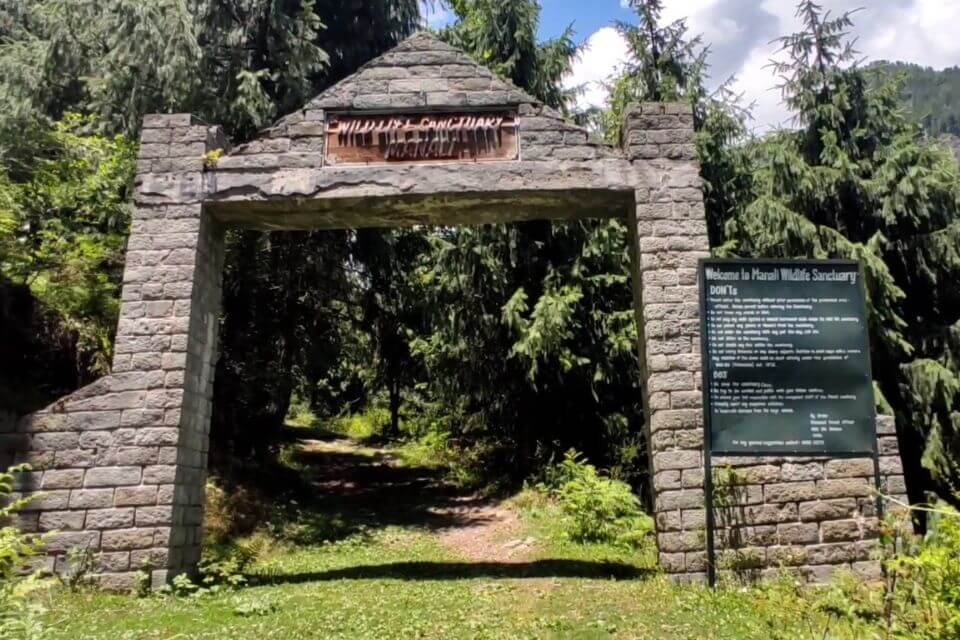
Beyond its temples and adventure zones, Manali is also a paradise for nature lovers. Spanning over 31 square kilometres, the Manali Sanctuary is home to a remarkable range of flora and fauna, including the elusive snow leopard, musk deer, and Himalayan black bear. The sanctuary is also a habitat for the vibrant Monal pheasant — the official state bird of Himachal Pradesh. Dense forests of deodar, pine, and oak create a lush, immersive environment, crisscrossed by walking trails that invite exploration.
Highlights: Snow leopards, musk deer, Himalayan black bears, Monal pheasants; ideal for trekking and wildlife photography
Best Time to Visit: March–June and September–November for the best wildlife sightings
How to Reach: 2 km from Manali; accessible by a short drive or mountain trail.
8. Naggar Castle — Royal Heritage Amid the Mountains
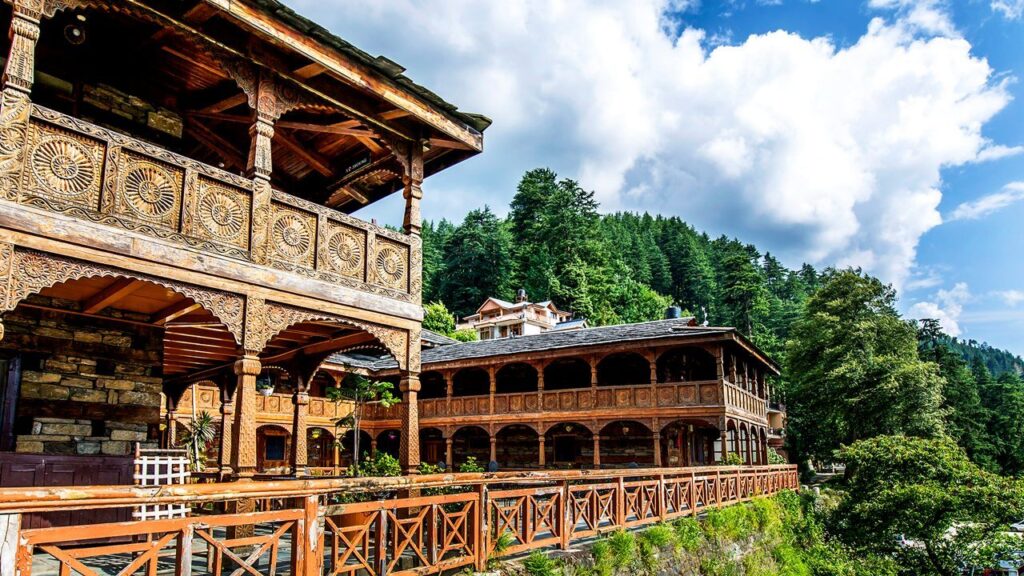
Naggar Castle was constructed in the 15th century by Raja Sidh Singh and is a beautiful example of the European and Himalayan architectural styles. A splendid wooden and stone building, it was once the residence of the rulers of Kullu, and now serves as a heritage hotel and museum providing visitors with an authentic experience of royal history. Gorgeous balconies with intricate carvings provide dazzling views of the Kullu Valley, while the Nicholas Roerich Art Gallery displays the art works of the renowned Russian artist who settled in Himachal Pradesh.
Highlights: 15th-century heritage castle, Nicholas Roerich Art Gallery, ancient Krishna Temple, panoramic valley views
Best Time to Visit: March–June and September–December for comfortable weather
How to Reach: 20 km from Manali; accessible by private car or cab.
9. Jogini Waterfall — Nature’s Hidden Symphony
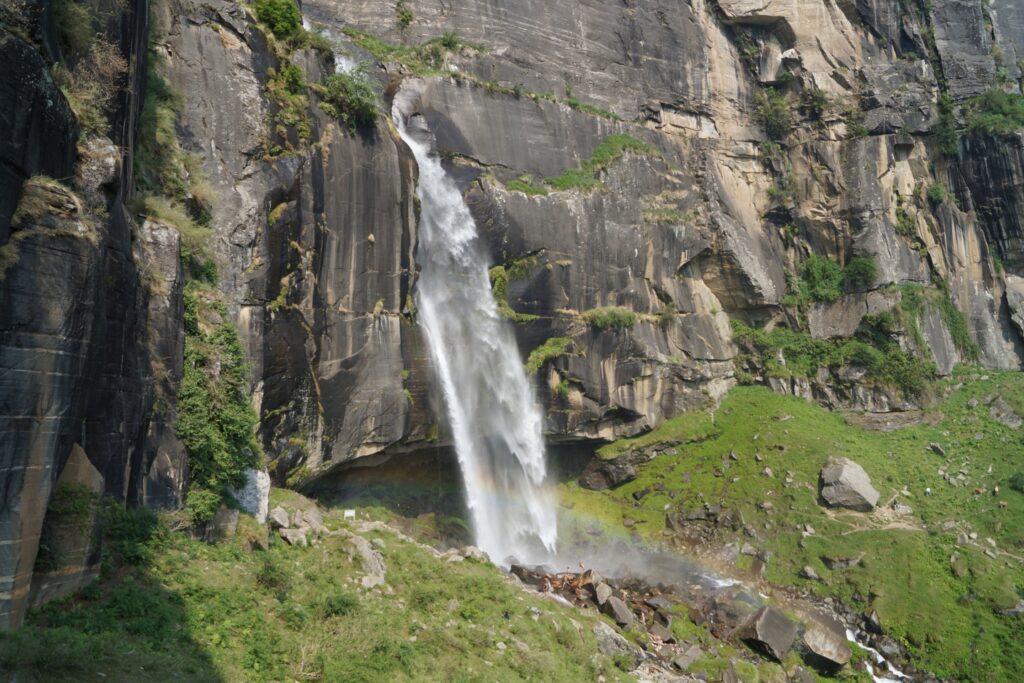
Vashisht Village is a short and interesting walk from which you can discover one of the most lovely hidden waterfall of Manali, Jogini Waterfall. A cascade of water cascades over rocks, creating a waterfall that sparkles, and the sound of birdsong and rustling leaves can be heard. The walk takes you through apple orchards, pine woods and pretty hamlets of the Himachal and is as enjoyable as the destination. A serene getaway, a light adventure or the ideal picnic area, Jogini Waterfall has got everything covered.
Highlights: Scenic waterfall, trail through apple orchards and pine forests, peaceful picnic and meditation spot
Best Time to Visit: March–June and September–November, when the trail is accessible and the path is clear
How to Reach: 4 km from Manali; begin with a short walk from Vashisht Village.
10. Beas River — A Lifeline of Serenity and Adventure
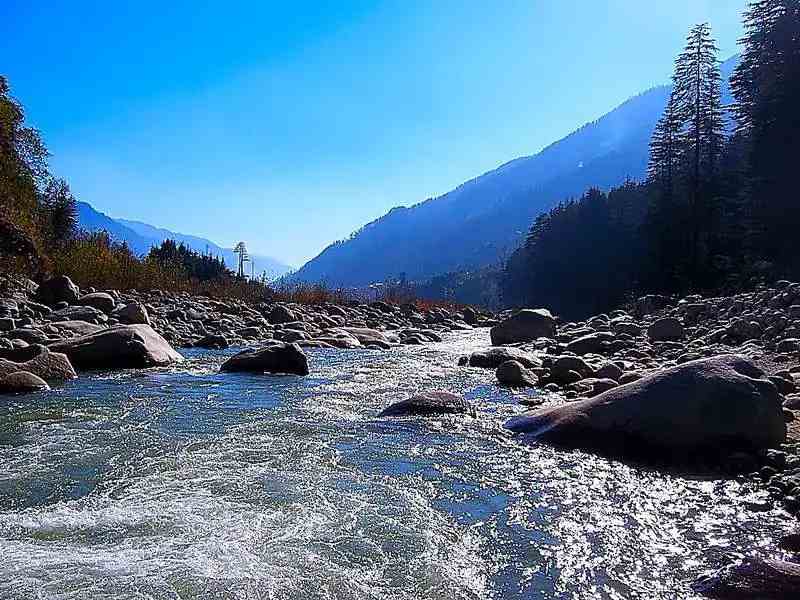
The Beas River meanders through Manali, enhancing the town’s natural beauty with its riverway. It’s a great spot for white water rafters by day, and riverside campers and bonfires by night. Its majestic waters fluctuate from calm to rushing rapids, making it an ever-changing and interesting setting all year round.
Highlights: White-water rafting, riverside camping, scenic walking trails along the banks, stunning views of the river cutting through the Himalayas
Best Time to Visit: April–June for rafting; September–November for leisurely riverside experiences
How to Reach: The river flows through Manali and is accessible on foot from multiple points in town.
Final Thoughts
Manali is more than a destination, it’s a feeling. Every season brings its own magic, whether you’re exploring ancient temples, chasing adventure, or simply losing yourself in nature. From snow-dusted winter landscapes to blooming summer meadows, this Himalayan gem promises memories that will last a lifetime.