Category: Uncategorized

  • Step-by-Step Guide to the IndiGo Web Check-in Process

    Step-by-Step Guide to the IndiGo Web Check-in Process

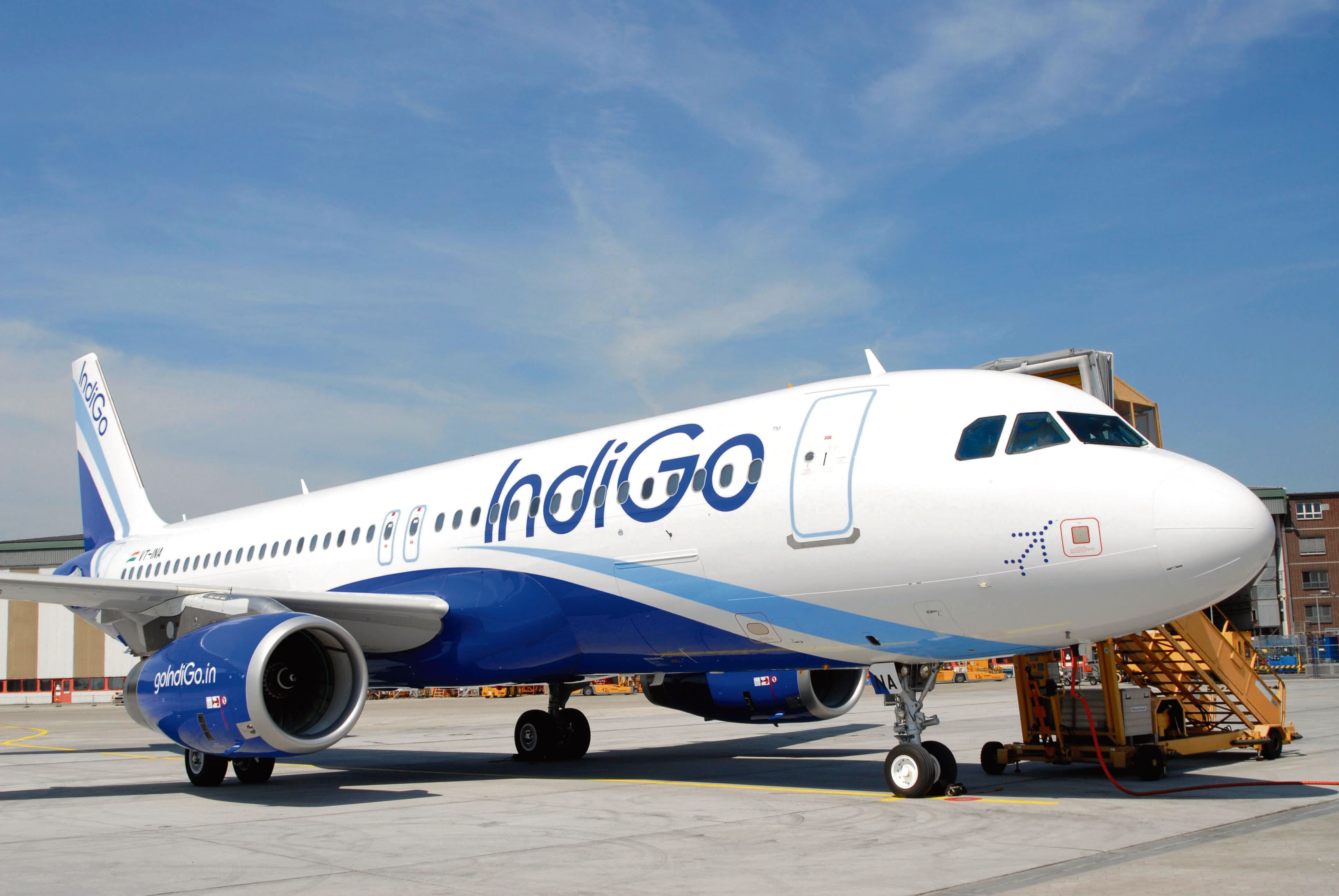
    Planning your next journey with IndiGo? Make your travel experience faster and more convenient with IndiGo’s web check-in facility. As India’s largest airline, IndiGo operates more than 1,500 flights every day and serves millions of passengers across domestic and international destinations. By completing your check-in online, you can avoid long airport queues and enjoy a hassle-free start to your trip.

    This step-by-step guide explains everything you need to know about IndiGo web check-in, including eligibility, deadlines, seat selection, baggage rules, and useful travel tips.

    Why Use IndiGo Web Check-in?

    IndiGo has become one of the most trusted airlines in India, known for its extensive route network, affordable fares, and strong on-time performance. Web check-in adds another layer of convenience by allowing passengers to complete the check-in process before arriving at the airport.

    With IndiGo web check-in, you can:

    • Save valuable time at the airport
    • Select your preferred seat in advance
    • Access your boarding pass digitally
    • Reduce waiting time at check-in counters
    • Manage your travel plans more efficiently

    Passengers can generally check in online up to 48 hours before departure, making travel preparation simple and stress-free.

    Things You’ll Need Before Checking In

    Before starting the web check-in process, keep the following details handy:

    • IndiGo booking reference number (PNR)
    • Valid government-issued ID proof
    • Registered mobile number or email address
    • Smartphone, tablet, or computer with internet access

    For most domestic flights, web check-in remains available until 60 minutes before departure, while international flight deadlines may vary depending on the route.

    How to Complete IndiGo Web Check-in

    Step 1: Visit the Check-in Page

    Open the IndiGo website or mobile app and navigate to the “Web Check-in” section. You can also access check-in through the Manage Booking option.

    Step 2: Enter Booking Information

    Provide your PNR number along with your last name exactly as mentioned on your booking confirmation.

    Step 3: Select Your Flight

    If your itinerary includes multiple sectors, choose the specific flight for which you want to complete check-in.

    Step 4: Verify Passenger Details

    Review all passenger information carefully, including names, contact details, and any special requests. If you spot an error, contact customer support before proceeding.

    Step 5: Choose Your Seat

    Depending on availability, you can select from different seating options:

    • Standard seats
    • Preferred seats
    • Extra legroom seats
    • Emergency exit row seats

    Some seat categories may involve an additional fee.

    Step 6: Add Optional Services

    Passengers can enhance their travel experience by adding services such as:

    • Additional baggage allowance
    • Pre-booked meals
    • Travel insurance
    • Priority boarding

    Step 7: Download Your Boarding Pass

    Once your check-in is complete, download your boarding pass or have it sent directly to your registered email address. Keep a digital or printed copy ready for airport verification.

    IndiGo Mobile Check-in

    Travellers who prefer managing their bookings on smartphones can use the IndiGo mobile app for check-in. The app offers several useful features, including:

    • Mobile boarding passes
    • Flight status updates
    • Seat selection tools
    • Booking management options

    The mobile check-in process is similar to web check-in and can be completed within a few minutes.

    Baggage Rules to Remember

    Understanding baggage policies before travelling can help you avoid last-minute surprises.

    Cabin Baggage

    • Up to 7 kg per passenger (subject to airline rules)

    Checked Baggage

    • Allowance varies depending on route and fare type

    Special Items

    • Sports equipment
    • Musical instruments
    • Oversized baggage

    These items may require prior approval or additional charges.

    Passengers travelling with cabin baggage only can often proceed directly to security after completing web check-in.

    Common Web Check-in Issues and Solutions

    Booking Not Found

    Double-check your PNR and surname. Also, ensure you are attempting check-in within the permitted time window.

    Seat Selection Unavailable

    Popular seats may sell out quickly. Consider alternative options or check again later if seats become available.

    Payment Problems

    If purchasing additional services, verify that your payment method is active and has sufficient balance.

    Special Assistance for Passengers

    Passengers requiring special assistance should notify the airline in advance. This includes:

    • Wheelchair assistance
    • Medical support
    • Unaccompanied minor services
    • Support for passengers with reduced mobility

    Early notification helps ensure smoother arrangements on the day of travel.

    Important Check-in Deadlines

    Domestic Flights

    • Online check-in opens: 48 hours before departure
    • Online check-in closes: 1 hour before departure
    • Airport check-in closes: 45 minutes before departure

    International Flights

    • Online check-in opens: 48 hours before departure
    • Online check-in closes: 2 hours before departure
    • Airport check-in closes: 60 minutes before departure

    Always verify the latest timings for your specific route.

    Benefits of Online Check-in

    Completing web check-in offers several advantages:

    • Faster airport experience
    • Better seat availability
    • Reduced waiting time
    • Easy access to boarding passes
    • Convenient travel management

    These benefits make online check-in an essential part of modern air travel.

    Final Travel Tips

    For a smooth journey:

    • Complete check-in as early as possible
    • Keep your boarding pass readily available
    • Carry valid identification documents
    • Monitor flight updates before departure
    • Reach the airport within the recommended reporting time

    Conclusion

    IndiGo web check-in is a simple yet valuable feature that helps travellers save time and avoid unnecessary airport delays. Whether you’re travelling for business or leisure, completing check-in online allows you to start your journey with greater convenience and peace of mind.

    By following the steps outlined in this guide, you can enjoy a seamless check-in experience and focus on what matters most—your trip ahead.

  • 10 Weekend Getaways To Remember for August 2026

    10 Weekend Getaways To Remember for August 2026

    August is one of the most exciting months to travel in India. The monsoon season brings a refreshing change to the landscape, turning mountains greener, lakes fuller, and waterfalls more spectacular than ever. With several long weekends and pleasant weather across many regions, August 2026 is the perfect time to plan a quick escape from your daily routine.

    Whether you’re looking for misty hill stations, scenic road trips, romantic destinations, or adventure-filled retreats, India has plenty of options for an unforgettable weekend getaway. Here are ten incredible destinations that deserve a spot on your August travel bucket list.

    1. Mussoorie, Uttarakhand

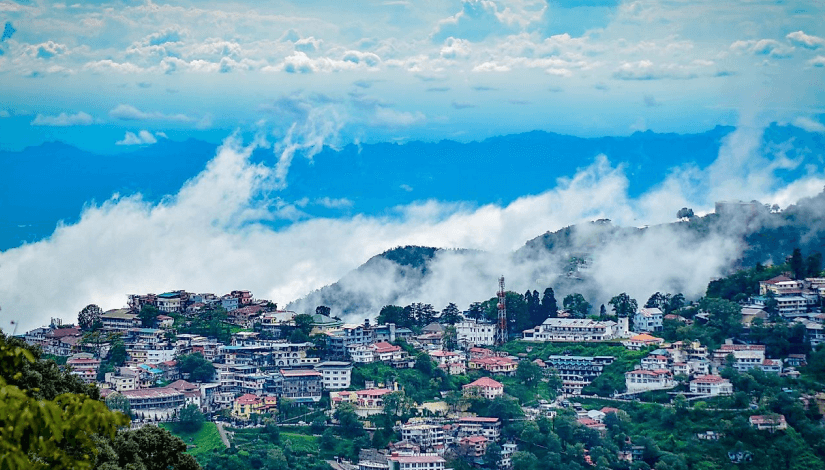
    Known as the “Queen of the Hills,” Mussoorie becomes even more charming during August. The monsoon clouds rolling over the mountains create breathtaking views, while the cool weather makes sightseeing enjoyable.

    Located in the foothills of the Himalayas, Mussoorie offers a perfect blend of nature, adventure, and colonial charm. A stroll along Mall Road, a visit to Kempty Falls, or a cable car ride to Gun Hill can make your weekend memorable.

    Best Things To Do

    • Visit Kempty Falls
    • Explore Mall Road
    • Enjoy panoramic views from Gun Hill
    • Take a nature walk at Camel’s Back Road

    Travel Tip

    Carry rain gear, as showers can occur unexpectedly during the monsoon season.


    2. Nainital, Uttarakhand

    Nestled around a beautiful lake, Nainital is one of India’s most loved hill stations. During August, the surrounding hills turn lush green, creating postcard-perfect scenery.

    The calm atmosphere and cool weather make it ideal for couples, families, and solo travelers alike.

    Best Things To Do

    • Boating in Naini Lake
    • Visit Snow View Point
    • Explore Naina Devi Temple
    • Shop at Tibetan Market

    Travel Tip

    Early mornings offer the best views before clouds settle over the hills.


    3. Valley of Flowers, Uttarakhand

    August is the peak season for visiting the Valley of Flowers. This UNESCO World Heritage Site blooms with hundreds of colorful flower species, creating one of the most beautiful landscapes in India.

    Nature enthusiasts and trekking lovers travel from across the world to witness this natural wonder.

    Best Things To Do

    • Trek through the valley
    • Visit Hemkund Sahib
    • Capture stunning Himalayan views
    • Explore alpine meadows

    Travel Tip

    Book accommodations in advance, as August is the busiest month for visitors.


    4. Munnar, Kerala

    If you’re searching for rolling hills covered in tea plantations, Munnar is the perfect destination. August transforms this hill station into a green paradise filled with mist, waterfalls, and scenic viewpoints.

    The peaceful atmosphere makes it an ideal weekend retreat for travelers seeking relaxation.

    Best Things To Do

    • Visit Eravikulam National Park
    • Explore tea gardens
    • Stop at Top Station viewpoint
    • Visit Mattupetty Dam

    Travel Tip

    Carry comfortable walking shoes for exploring tea estates and viewpoints.


    5. Wayanad, Kerala

    Wayanad is one of South India’s most scenic monsoon destinations. Dense forests, waterfalls, wildlife sanctuaries, and spice plantations create a magical setting during August.

    Adventure seekers and nature lovers will find plenty to explore here.

    Best Things To Do

    • Visit Soochipara Falls
    • Explore Edakkal Caves
    • Trek to Chembra Peak
    • Visit Banasura Sagar Dam

    Travel Tip

    Roads can become slippery after rainfall, so drive carefully.


    6. Coorg, Karnataka

    Often referred to as the “Scotland of India,” Coorg is famous for its coffee plantations, mist-covered hills, and pleasant climate.

    August is one of the best times to visit as the entire region comes alive with greenery and flowing streams.

    Best Things To Do

    • Visit Abbey Falls
    • Explore coffee plantations
    • Enjoy river rafting
    • Visit Raja’s Seat

    Travel Tip

    Don’t miss tasting authentic Coorgi cuisine during your visit.

    7. Mahabaleshwar, Maharashtra

    Mahabaleshwar is a favorite monsoon getaway for travelers from Mumbai and Pune. The region’s valleys, waterfalls, and viewpoints become exceptionally beautiful during August.

    The cool weather and scenic roads make it perfect for a weekend road trip.

    Best Things To Do

    • Visit Venna Lake
    • Explore Arthur’s Seat
    • Enjoy Lingmala Waterfall
    • Visit Mapro Garden

    Travel Tip

    Start your sightseeing early to avoid foggy conditions later in the day.

    8. Cherrapunji, Meghalaya

    Cherrapunji is famous for its dramatic landscapes and abundant rainfall. During August, waterfalls cascade down cliffs while clouds drift through valleys, creating unforgettable views.

    It is one of the most unique monsoon destinations in India.

    Best Things To Do

    • Visit Nohkalikai Falls
    • Explore Mawsmai Cave
    • See Seven Sisters Falls
    • Walk across living root bridges

    Travel Tip

    Keep electronic gadgets protected from moisture and rain.


    9. Shillong, Meghalaya

    Known as the “Scotland of the East,” Shillong offers a wonderful mix of natural beauty and urban charm. August enhances its appeal with mist-covered hills and refreshing weather.

    The city’s lively cafés, music culture, and scenic attractions attract travelers throughout the year.

    Best Things To Do

    • Visit Umiam Lake
    • Explore Elephant Falls
    • Enjoy views from Shillong Peak
    • Experience local cuisine

    Travel Tip

    Spend at least two days to fully explore the city’s attractions.


    10. Udaipur, Rajasthan

    While Rajasthan is generally associated with dry landscapes, Udaipur becomes particularly pleasant during August. Light monsoon showers enhance the beauty of its lakes and palaces.

    The city offers a romantic atmosphere, making it perfect for couples and cultural travelers.

    Best Things To Do

    • Visit City Palace
    • Take a boat ride on Lake Pichola
    • Explore Fateh Sagar Lake
    • Watch sunset from Sajjangarh Palace

    Travel Tip

    Evening boat rides offer some of the most beautiful views of the city.


    Why August 2026 Is Perfect for Weekend Travel

    August combines pleasant weather, vibrant landscapes, and excellent travel opportunities across India. The monsoon season breathes new life into mountains, forests, waterfalls, and lakes, creating experiences that are difficult to find during other months.

    Additionally, many destinations are less crowded than peak winter tourist seasons, allowing travelers to enjoy a more peaceful experience.

    Essential Packing Checklist for August Trips

    Before heading out on your weekend getaway, make sure to carry:

    • Waterproof jacket
    • Umbrella
    • Comfortable trekking shoes
    • Quick-dry clothing
    • Power bank
    • First-aid kit
    • Waterproof backpack cover
    • Extra pair of clothes

    Final Thoughts

    From the blooming Valley of Flowers and misty hills of Munnar to the spectacular waterfalls of Cherrapunji and the romantic lakes of Udaipur, August 2026 offers countless opportunities for memorable weekend escapes. Whether you’re planning a family vacation, a romantic retreat, a solo adventure, or a road trip with friends, these destinations promise unforgettable experiences.

    Start planning early, book your accommodations in advance, and get ready to create travel memories that will stay with you long after the monsoon season ends.

  • Budget Goa Trip from Bangalore – How to Do Goa Under INR 10,000

    Budget Goa Trip from Bangalore – How to Do Goa Under INR 10,000

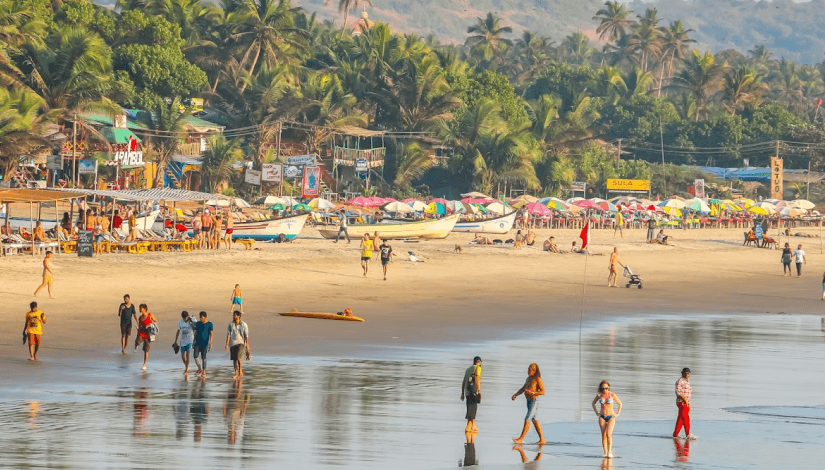
    Goa is one of the most popular travel destinations in India, known for its beautiful beaches, vibrant nightlife, Portuguese architecture, and affordable travel experiences. Many travelers assume that a Goa vacation requires a large budget, but with smart planning, you can easily enjoy a memorable Goa trip from Bangalore for under INR 10,000.

    Whether you’re a student, solo traveler, or planning a quick weekend getaway with friends, this guide will show you how to explore Goa without spending a fortune.

    Why Goa is Perfect for Budget Travelers

    Goa offers something for every type of traveler. From budget hostels and affordable local food to inexpensive transportation and free beach activities, Goa remains one of the best destinations for travelers looking to maximize their experiences while minimizing costs.

    If you plan your transportation, accommodation, and activities wisely, INR 10,000 is more than enough for a 3 to 4-day trip.

    Step 1: Choose Affordable Transportation from Bangalore

    Transportation is usually the biggest expense when traveling from Bangalore to Goa.

    Option 1: Bus (Most Budget-Friendly)

    Several private and government buses operate daily between Bangalore and Goa.

    • Bus Fare: INR 800 – INR 1,500 (one way)
    • Round Trip Cost: INR 1,600 – INR 3,000

    Overnight sleeper buses are highly recommended because they save both travel time and one night’s accommodation cost.

    Option 2: Train

    Trains are the cheapest way to reach Goa.

    • Sleeper Class: INR 400 – INR 700
    • 3AC: INR 900 – INR 1,500

    Round-trip train tickets can cost as little as INR 1,000 to INR 2,000 if booked in advance.

    Option 3: Budget Flights

    If booked 4–6 weeks early, budget airlines occasionally offer Bangalore to Goa flights for INR 2,000–3,000 one way.

    However, for staying under INR 10,000, trains and buses remain the best options.

    Step 2: Stay in Budget Hostels or Guesthouses

    Accommodation in Goa doesn’t have to be expensive.

    Hostels

    Popular backpacker hostels offer:

    • Dorm Beds: INR 400 – INR 800 per night
    • Free Wi-Fi
    • Common kitchens
    • Social events

    For a 3-night stay:

    • Approximate Cost: INR 1,500 – INR 2,400

    Budget Guesthouses

    Local guesthouses near beaches like Calangute, Anjuna, Vagator, and Palolem offer rooms starting from INR 800–1,200 per night.

    Sharing rooms with friends can reduce costs even further.

    Step 3: Eat Like a Local

    One of the easiest ways to save money in Goa is by avoiding expensive beachside restaurants.

    Budget Food Options

    • Local Goan Thalis: INR 120–250
    • Street Food: INR 50–150
    • Breakfast Cafes: INR 100–200
    • Fresh Juices and Snacks: INR 50–100

    Daily food budget:

    • INR 400–500

    For 4 days:

    • Approximate Cost: INR 1,600–2,000

    Must-try budget-friendly dishes include:

    • Fish Thali
    • Goan Prawn Curry
    • Ros Omelette
    • Chicken Cafreal
    • Bebinca

    Step 4: Use Scooters Instead of Taxis

    Taxi fares in Goa can quickly consume your travel budget.

    Rent a Scooter

    • Rental Cost: INR 300–500 per day
    • Fuel Cost: INR 200–300 for multiple days

    For a 3-day trip:

    • Approximate Cost: INR 1,200–1,500

    A scooter allows you to explore beaches, forts, cafes, and local markets at your own pace while saving significant money.

    Step 5: Visit Free and Low-Cost Attractions

    The best part about Goa is that many attractions are free.

    Beaches to Explore

    • Baga Beach
    • Calangute Beach
    • Vagator Beach
    • Anjuna Beach
    • Candolim Beach
    • Palolem Beach

    Budget-Friendly Attractions

    • Chapora Fort
    • Aguada Fort
    • Fontainhas Heritage Area
    • Sunset Points
    • Local Flea Markets
    • Churches and Cathedrals

    Most of these attractions either have no entry fee or charge a very small amount.

    Sample 4-Day Goa Itinerary Under INR 10,000

    Day 1

    • Reach Goa
    • Check into hostel
    • Explore Calangute and Baga Beach
    • Enjoy local seafood dinner

    Day 2

    • Rent scooter
    • Visit Chapora Fort
    • Explore Vagator and Anjuna Beach
    • Visit local flea markets

    Day 3

    • Visit Aguada Fort
    • Explore Candolim Beach
    • Enjoy sunset views
    • Experience budget-friendly nightlife

    Day 4

    • Visit local cafes
    • Shop for souvenirs
    • Return to Bangalore

    Estimated Budget Breakdown

    ExpenseCost (INR)
    Round Trip Bus/Train2,000
    Accommodation (3 Nights)2,000
    Food1,800
    Scooter Rental + Fuel1,400
    Sightseeing & Miscellaneous1,000
    Shopping & Buffer1,500
    Total9,700

    This leaves a small buffer for unexpected expenses while keeping the entire trip comfortably under INR 10,000.

    Money-Saving Tips for Goa

    Travel During Off-Season

    The months between June and September often offer cheaper accommodation and transportation rates.

    Book Early

    Advance booking can significantly reduce train, bus, and flight costs.

    Travel with Friends

    Sharing rooms and scooter rentals can lower individual expenses.

    Avoid Tourist Traps

    Restaurants directly facing popular beaches are usually more expensive than nearby local eateries.

    Carry Cash

    Some local vendors and smaller establishments may not accept digital payments.

    Final Thoughts

    A Goa trip from Bangalore doesn’t have to be expensive. With careful planning, budget accommodation, local food, and affordable transportation, you can enjoy beaches, nightlife, sightseeing, and authentic Goan culture for under INR 10,000.

    The key is to plan ahead, travel smart, and focus on experiences rather than luxury. Whether you’re a solo backpacker or traveling with friends, Goa remains one of India’s best destinations for an unforgettable budget-friendly vacation.

    Start planning today, pack your bags, and get ready to experience Goa without breaking your budget.

  • How to Plan a Goa Trip Without Stress

    How to Plan a Goa Trip Without Stress

    Goa is one of India’s most loved travel destinations. With its beautiful beaches, vibrant nightlife, Portuguese architecture, delicious seafood, and relaxing atmosphere, it attracts millions of tourists every year. However, many travelers end up feeling overwhelmed because they don’t plan their trip properly. From choosing the right season to booking accommodations and creating a practical itinerary, a little preparation can make your Goa vacation smooth and enjoyable.

    In this guide, we’ll walk you through how to plan a Goa trip without stress so you can focus on making unforgettable memories.

    Decide the Best Time to Visit Goa

    The first step in planning a stress-free Goa trip is choosing the right time to travel.

    Peak Season (November to February)

    This is the most popular time to visit Goa. The weather is pleasant, beaches are lively, and many festivals and events take place during these months. However, hotel prices and flight fares are usually higher.

    Shoulder Season (March to May)

    If you prefer fewer crowds and lower costs, consider visiting during the summer months. While temperatures can be high, you’ll find better deals on accommodations and activities.

    Monsoon Season (June to September)

    Goa transforms into a lush green paradise during the monsoon. It’s perfect for nature lovers and budget travelers. Many resorts offer significant discounts during this period.

    Set a Realistic Budget

    Before making any bookings, determine how much you’re willing to spend.

    Your budget should include:

    • Transportation
    • Accommodation
    • Food and drinks
    • Local travel
    • Water sports and activities
    • Shopping and entertainment

    Having a clear budget helps you avoid unnecessary expenses and keeps your trip financially stress-free.

    Book Flights and Hotels Early

    One of the biggest mistakes travelers make is waiting until the last minute.

    Booking flights and accommodations in advance offers several advantages:

    • Better prices
    • More hotel options
    • Preferred room choices
    • Flexible travel schedules

    If you’re traveling during the peak season, booking at least one to two months in advance is highly recommended.

    Choose the Right Area to Stay

    Goa is generally divided into North Goa and South Goa, and each offers a different experience.

    North Goa

    North Goa is ideal for travelers looking for nightlife, beach parties, shopping, and adventure activities. Popular areas include Baga, Calangute, Anjuna, and Candolim.

    South Goa

    South Goa is known for its peaceful beaches, luxury resorts, and relaxed atmosphere. Areas like Palolem, Colva, and Agonda are perfect for families and couples seeking tranquility.

    Selecting the right location based on your travel style can significantly improve your overall experience.

    Create a Flexible Itinerary

    Many travelers try to visit every attraction in a short time, which often leads to exhaustion.

    Instead, focus on a balanced itinerary.

    Day 1

    • Arrive in Goa
    • Check into your hotel
    • Relax at a nearby beach
    • Enjoy a local dinner

    Day 2

    • Explore popular beaches
    • Try water sports
    • Visit local markets

    Day 3

    • Explore historical sites
    • Visit churches and forts
    • Enjoy a sunset cruise

    Day 4

    • Discover hidden beaches
    • Relax at a café
    • Experience local cuisine

    Leave some free time in your schedule for spontaneous adventures and relaxation.

    Plan Local Transportation

    Getting around Goa becomes much easier when transportation is planned in advance.

    Popular options include:

    Scooters and Bikes

    Renting a scooter is one of the most affordable and convenient ways to explore Goa.

    Rental Cars

    Ideal for families and larger groups.

    Taxi Services

    Available throughout Goa but can be more expensive than rentals.

    Make sure you carry a valid driving license if you plan to rent a vehicle.

    Pack Smart

    Packing appropriately can eliminate many common travel headaches.

    Essentials for Goa include:

    • Lightweight clothing
    • Sunglasses
    • Sunscreen
    • Flip-flops
    • Swimwear
    • Power bank
    • Basic medicines
    • Waterproof phone pouch

    If you’re visiting during the monsoon season, don’t forget to pack rain gear and waterproof bags.

    Research Activities Before You Arrive

    Goa offers countless experiences beyond beaches.

    Popular activities include:

    • Parasailing
    • Jet skiing
    • Scuba diving
    • Dolphin spotting
    • River cruises
    • Island tours
    • Trekking
    • Spice plantation visits

    Researching activities beforehand helps you compare prices and avoid scams or overpriced tourist packages.

    Try Local Food

    Food is an essential part of the Goa experience.

    Some must-try dishes include:

    • Goan Fish Curry
    • Prawn Balchão
    • Chicken Cafreal
    • Pork Vindaloo
    • Bebinca
    • Sorpotel

    Instead of dining only at tourist hotspots, explore local restaurants and beach shacks for authentic flavors.

    Keep Important Documents Handy

    Travel stress often comes from misplaced documents.

    Carry both digital and physical copies of:

    • ID proof
    • Flight tickets
    • Hotel reservations
    • Driving license
    • Travel insurance documents

    Storing copies on your phone and cloud storage can be extremely helpful during emergencies.

    Stay Connected

    Having internet access makes navigation, bookings, and communication much easier.

    Consider:

    • Activating a travel data plan
    • Downloading offline maps
    • Saving important contact numbers
    • Keeping emergency information accessible

    Good connectivity helps you adapt quickly to unexpected changes in your plans.

    Don’t Overplan

    One of the best ways to enjoy Goa is to embrace its relaxed lifestyle.

    Avoid scheduling every hour of your trip. Some of the most memorable experiences come from discovering a quiet beach, stumbling upon a local café, or watching a sunset without rushing to the next destination.

    Remember, Goa is not just about sightseeing—it’s about slowing down and enjoying the moment.

    Final Thoughts

    Planning a Goa trip doesn’t have to be complicated. By choosing the right season, setting a realistic budget, booking accommodations early, creating a flexible itinerary, and preparing for local transportation, you can enjoy a smooth and stress-free vacation.

    The key is balancing planning with spontaneity. Have a structure in place, but leave room for relaxation and unexpected discoveries. Whether you’re traveling with family, friends, or your partner, a well-planned Goa trip will allow you to experience the best of this coastal paradise without unnecessary stress.

    Start planning today, pack your bags, and get ready to enjoy the sun, sand, and vibrant culture that make Goa one of India’s favorite travel destinations.

  • Beyond the Postcard: Uttarakhand’s Hidden Rhythms and Untold Stories

    Beyond the Postcard: Uttarakhand’s Hidden Rhythms and Untold Stories

    When most people think of Uttarakhand, they picture snow-covered Himalayan peaks, sacred temples, and postcard-perfect hill stations. Destinations like Nainital, Mussoorie, Rishikesh, and Kedarnath often dominate travel itineraries and social media feeds. Yet beyond these famous landmarks lies another Uttarakhand—one that moves to quieter rhythms, preserves centuries-old traditions, and tells stories rarely featured in travel brochures.

    This hidden side of Uttarakhand is found in remote mountain villages, forgotten trade routes, local festivals, folk music, and the daily lives of people who have called these mountains home for generations. To truly understand the state, travelers must look beyond the postcard images and discover the rich cultural heartbeat that makes Uttarakhand unique.

    The Villages That Time Forgot

    Scattered across the Garhwal and Kumaon regions are villages where life continues much as it has for centuries. Stone houses with slate roofs cling to mountain slopes, terraced farms carve patterns into the hillsides, and community life revolves around agriculture, tradition, and seasonal celebrations.

    In villages like Munsiyari, Khirsu, and Chaukori, mornings begin with the sound of temple bells and the sight of villagers tending fields against a backdrop of towering Himalayan peaks. Unlike bustling tourist towns, these places offer an authentic glimpse into mountain life. Here, visitors can witness local craftsmanship, traditional cooking methods, and a pace of life that values community over convenience.

    Many of these villages are also facing challenges as younger generations migrate to cities in search of opportunities. As a result, they carry stories of resilience, adaptation, and cultural preservation that are rarely discussed in mainstream tourism.

    The Music of the Mountains

    Uttarakhand’s cultural identity is deeply connected to its folk music and dance traditions. While tourists may be familiar with spiritual chants heard along pilgrimage routes, the state’s musical heritage extends far beyond religious performances.

    Traditional folk songs known as Jhora, Chanchari, and Basanti capture themes of love, migration, nature, and everyday life. These songs often tell stories of families separated by work, changing seasons, and the emotional connection between people and their homeland.

    The haunting melodies played on instruments such as the dhol, damau, and ransingha create an atmosphere that feels inseparable from the mountains themselves. During local gatherings and festivals, music becomes more than entertainment—it serves as a living archive of community memory and regional identity.

    Hidden Festivals and Living Traditions

    Beyond the well-known religious celebrations, Uttarakhand hosts numerous local festivals that reveal its diverse cultural landscape.

    One such celebration is the Nanda Devi Raj Jat Yatra, often described as one of the longest and most significant pilgrimage journeys in the Himalayas. Taking place over several weeks, it combines spirituality, folklore, and community participation in a remarkable display of cultural continuity.

    Other regional fairs and festivals bring together villages through music, dance, storytelling, and traditional sports. These events provide opportunities for communities to reconnect, exchange goods, and celebrate shared heritage.

    What makes these festivals special is their authenticity. Unlike many commercialized cultural events, local celebrations in Uttarakhand remain deeply rooted in tradition and collective participation.

    The Forgotten Trade Routes

    Long before modern highways connected the region, Uttarakhand’s mountains were traversed by traders, pilgrims, and shepherds. Ancient routes linked India with Tibet, facilitating the exchange of goods, ideas, and cultural influences.

    Today, many of these historic pathways survive as trekking trails. Walking these routes allows travelers to experience landscapes that once played an important role in regional commerce and cultural interaction.

    Villages along these routes often preserve unique architectural styles, culinary traditions, and oral histories shaped by centuries of movement and exchange. Exploring these trails reveals a lesser-known chapter of Uttarakhand’s history—one defined by connection rather than isolation.

    Stories Written in Nature

    Uttarakhand’s natural beauty extends far beyond famous viewpoints and trekking destinations. Dense forests, alpine meadows, hidden waterfalls, and high-altitude wetlands support extraordinary biodiversity.

    Places such as the Valley of Flowers attract visitors for their beauty, but countless lesser-known ecosystems remain largely unexplored. Local communities have long maintained a close relationship with their environment, developing traditional knowledge about medicinal plants, seasonal changes, and sustainable resource management.

    Many conservation efforts in the state are deeply connected to community action. The globally recognized Chipko Movement, which originated in Uttarakhand, demonstrated how local people could successfully protect forests through collective resistance and environmental stewardship.

    These stories remind visitors that the region’s landscapes are not simply scenic backdrops—they are living environments shaped by generations of human interaction.

    Culinary Traditions Beyond the Tourist Menu

    Food offers another window into Uttarakhand’s hidden identity. While tourists often encounter standard North Indian dishes, local cuisine reflects the realities of mountain living.

    Traditional foods such as Kafuli, Phaanu, Chainsoo, and Bhatt ki Churkani are prepared using locally grown ingredients that thrive in challenging Himalayan conditions. These dishes emphasize nutrition, sustainability, and resourcefulness.

    Meals often feature lentils, millet, seasonal vegetables, and herbs gathered from surrounding landscapes. Every recipe carries a story about geography, climate, and community adaptation.

    Experiencing local cuisine allows travelers to connect with Uttarakhand’s culture in a meaningful way, far beyond what guidebooks typically describe.

    A Different Way to Travel

    The hidden rhythms of Uttarakhand cannot be discovered through rushed itineraries or checklist tourism. They reveal themselves slowly—in conversations with villagers, participation in local traditions, walks through quiet forests, and evenings spent listening to folk songs beneath mountain skies.

    Travelers willing to move beyond popular attractions often find experiences that feel more personal and memorable than any postcard image. They encounter stories of migration and belonging, environmental stewardship and cultural resilience, tradition and transformation.

    Uttarakhand is undoubtedly home to some of India’s most spectacular landscapes. Yet its greatest treasures may not be its famous peaks or iconic temples. Instead, they lie in the untold stories, living traditions, and hidden rhythms that continue to shape life across the mountains.

    For those willing to look deeper, Uttarakhand offers more than scenic beauty—it offers a profound connection to history, culture, and humanity itself. Beyond the postcard, a richer and more authentic journey awaits.

  • Hello world!

    Welcome to WordPress. This is your first post. Edit or delete it, then start writing!